


Valentine’s Day traffic can boost profits or drain your ad budget fast. This case study shows how to maximize non-mainstream campaigns with mobile popunder ads, smart GEO targeting, and zone optimization – resulting in 120% ROI in just 10 days.

Valentine’s Day isn’t just about flowers and chocolates – it’s also a golden opportunity for advertisers and affiliate marketers. Every February, user activity and spending surge, creating a fertile moment for well-timed campaigns.
At HilltopAds, we tapped into this seasonal wave with a non-mainstream campaign that turned a 110-120% ROI into reality. Using mobile popunder ads on the HilltopAds platform, we targeted high-value GEOs (FR, US, DE) and focused on efficient traffic monetization throughout the peak season.
The result? Over 100% return on every advertising dollar in a matter of days. In this case study, we’ll share how we leveraged Valentine’s Day traffic spikes, why we chose those GEOs, and how strategic timing and targeting led to big gains.
Follow along, and you’ll see what worked and why in turning a timely idea into a profit machine.
🎁 Bonus for New Advertisers: Use promo code DTNGFB on your first deposit of $500 or more and receive an extra 10% bonus added to your account.

Start advertising with HilltopAds
and you could be our next success case.
Key Points
Offer: Non-Mainstream offer
GEO: FR, US, DE
Traffic: Non‑mainstream High & Medium
Ad Format: Popunder mobile
Ad campaign period: Feb 1-10 (10 days)
ROI: ~110-120%
Why Valentine’s Converts
Seasonal events like Valentine’s Day bring predictable spikes in attention and spending, and smart marketers know to align campaigns with these peaks. If you’re building seasonal media plans, our Holiday Calendar is a great starting point – it maps out the key peaks to prepare for and helps you launch before competition heats up:

In the weeks leading up to February 14, people spend more time online and actively search for relevant content and deals. In the mainstream world, that means billions of dollars flowing into gifts and experiences (U.S. consumers alone were expected to spend a record $29.1 billion in 2026).
But non-mainstream niches (18+ content and services) also see a boom. In fact, non-mainstream platforms often report huge traffic jumps around the holiday. For example, mobile measurement firm Adjust observed clear Valentine’s-week engagement spikes across multiple categories: restaurant booking app installs jumped 156% and sessions rose 88% on February 14, while messaging app sessions increased 31% on Valentine’s Day.
Users actively seek out “romantic” or themed content – and platform analytics commonly show spikes in interests like “romantic,” “couples,” and “love” around Valentine’s Day. All this translates to a larger, highly engaged audience ready for advertisers to reach.
Why does Valentine’s Day fuel even non-mainstream traffic? The holiday amplifies emotions and desires. Singles feeling lonely turn to online companionship or entertainment, while couples may explore new experiences, driving up interest in dating apps, non-mainstream marketplaces, and intimacy-focused products.
According to industry research, Valentine’s Day consistently ranks among the top holidays associated with increased romantic and intimacy-related interest. In short, the audience is not only larger, but also in a receptive mindset.
Also check out our complete guide to popunder traffic in 2026:

Consumers are more likely to convert during holidays, as they have a buying (or “trying”) mindset and actively seek gratification – mainstream data shows conversion rates climb when people are in a festive, spendy mood. We see the same principle in non-mainstream campaigns: when the moment is right, offers that match the mood can deliver outstanding results.
Importantly, these seasonal surges are known in advance. Valentine’s Day is the same date every year, which means advertisers can prepare ahead of time. As our own holiday calendar blog notes, “Advertisers who plan seasonal campaigns early can secure inventory at better rates…an organized calendar ensures you’re not missing out while competitors capitalize on an event.”
In practice, we treated the Valentine’s period as a mini high season for our vertical – plotting our campaign schedule and budget to ride the wave of user interest rather than catch up to it.
The key takeaway: timing and planning are everything. By launching our campaign about 1-2 weeks before February 14, we were able to test, optimize, and then scale into the peak traffic days, instead of fighting for scraps on the day itself.
One rule beats them all: start early! Launch a bit before the event to find winners, lock in cheaper CPMs, and scale as the peak hits.) This proactive approach let us capture the early birds and the last-minute surge alike, turning the predictable Valentine’s spike into real revenue.

Launch your ads on HilltopAds and get
- Advanced targeting options
- Direct traffic sources
- Self-serve platform
- Fully-managed service
- Postback tracking
Chosen GEOs
Not all GEOs are equal when it comes to Valentine’s Day – or to monetizing non-mainstream traffic. We carefully picked France, the United States, and Germany for this campaign because they combine strong Valentine’s-season demand, solid monetization potential, and predictable user behavior.
United States
The U.S. is the world’s largest Valentine’s Day market – over half of Americans celebrate the holiday, and total spending breaks records year after year (nearly $30 billion in 2026). That translates into massive online activity: people shop, chat, and look for entertainment at scale.
This seasonal uplift also reaches 18+ destinations and dating apps, where intent tends to be higher during the holiday period. The U.S. has a mature ecosystem for non-mainstream offers and strong purchasing power, which makes monetization attractive. The trade-off is heavy competition – but with HilltopAds’ reach in the U.S., we knew we could secure the volume we needed, as long as targeting was sharp.
France
Few countries match the themes of romance and passion as naturally as France. Valentine’s Day is taken seriously, especially among younger audiences and urban couples. Spending per person is substantial – around €107 (≈$115) on average for Valentine’s gifts, one of the highest levels in Europe.
This “romance-first” mindset often translates into strong engagement with non-mainstream and 18+ oriented products too, such as premium dating subscriptions and intimacy-focused offers. For us, France was a “sweet spot”: a Tier-1 GEO with strong CPMs and conversion potential, often with slightly less saturation than the most crowded English-speaking markets.
Germany
Germany may not be the first GEO people associate with Valentine’s Day, but it’s a consistently strong performer. About 46% of couples celebrate the holiday in some form, and average spend is roughly £84 (≈€95). Beyond the holiday itself, Germany’s large population and economic scale make it attractive for volume and stability.
The country also has a robust online 18+ entertainment audience, which supports reliable non-mainstream performance. Germany often brings efficient traffic costs compared with the U.S., allowing more volume at the same budget – and helping diversify the campaign beyond purely English-speaking demand.
In summary, these three GEOs gave us a strong balance of scale and efficiency: the U.S. delivered volume and high spenders, France brought a culturally primed audience with high ARPU, and Germany provided stable reach with solid engagement and cost-effectiveness.
Around February 14, users across all three markets are more likely to spend or indulge (whether on gifts, dates, or digital entertainment), creating ideal conditions for non-mainstream campaigns to thrive.
Next, let’s walk through the exact campaign setup on the HilltopAds platform – from choosing the format to setting bids and targeting rules.
Also check out our recent article on how to promote 3SNET iGaming offers with HilltopAds:

General settings for an ad campaign on the HilltopAds platform
Before you can start your advertising campaign on HilltopAds, you’ll need to sign up as an advertiser. You can register through this link.
- Go to the Manage Campaigns section in your HilltopAds dashboard.
- Click the Add Campaign button.
- In the campaign creation form, select the Popunder mobile ad format.
- In the Traffic Channels section, pick Non-Mainstream High and Medium.
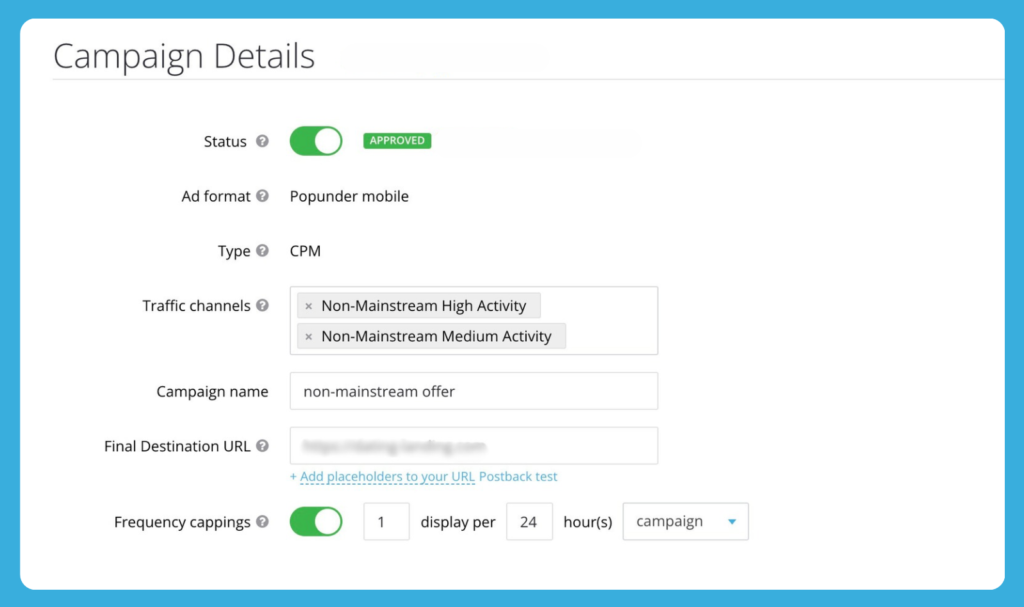
To analyze ad campaign performance, we recommend you to set up Postback. To learn more, please check out our Full guide.

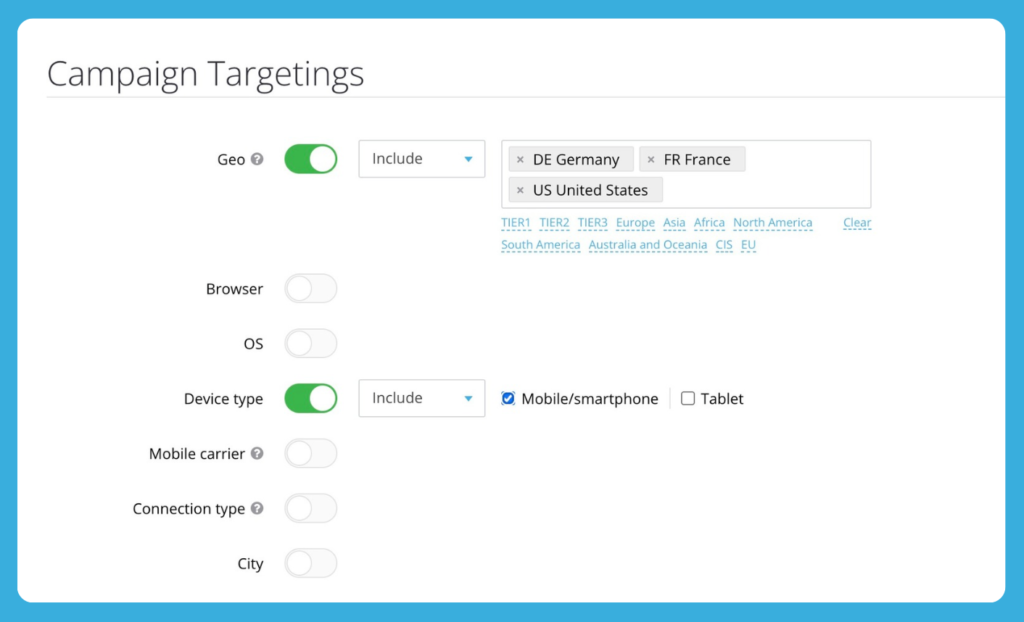
Next, we set the necessary targeting settings for the campaign. We wanted to reach a broad Tier-1 audience interested in dating offers. In our case, we targeted multiple geographies and ensured the traffic would come from mobile devices. The main targeting parameters were:
- GEOs – FR, US, DE
- Device – mobile/smartphone
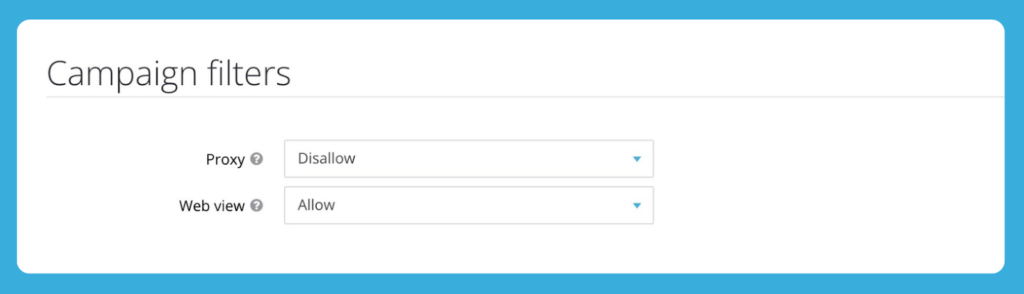
We also configured a few campaign filters to improve traffic quality. HilltopAds allows you to allow or block certain types of traffic that might affect conversion quality. For this dating offer campaign, we used the following filter settings:
- Proxy – disallowed (we excluded traffic coming through proxies/VPNs, to reduce the chance of non-human or low-intent visitors).
- WebView – allowed (WebView traffic means in-app browser traffic; we kept it on because some mobile app placements can still bring conversions).
WebView refers to an in-app browser that opens a landing page within a mobile application. In practice, when a user clicks the ad in an app, a WebView opens the offer’s landing page inside the app itself.
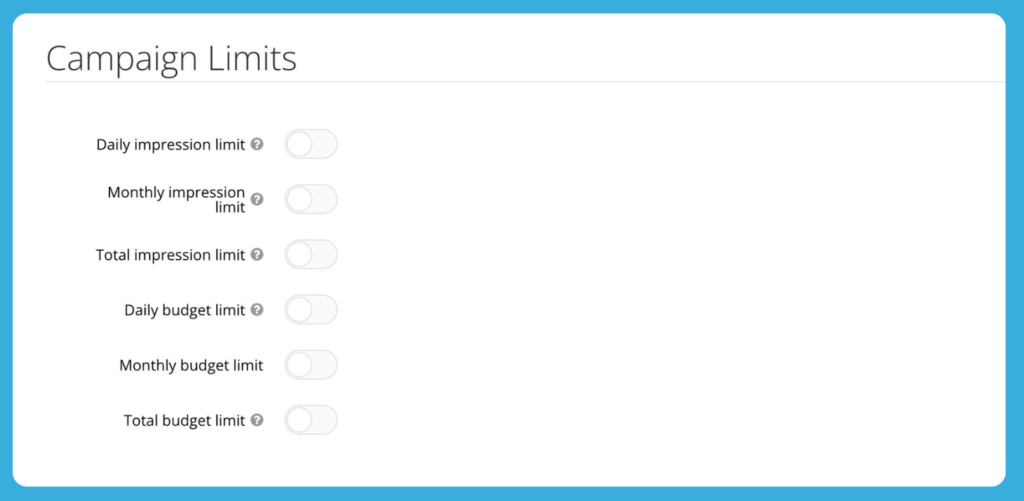
Instead of locking ourselves into strict daily limits, we monitored performance via Postback & HilltopAds in-platform stats and optimized manually based on zone-level efficiency.
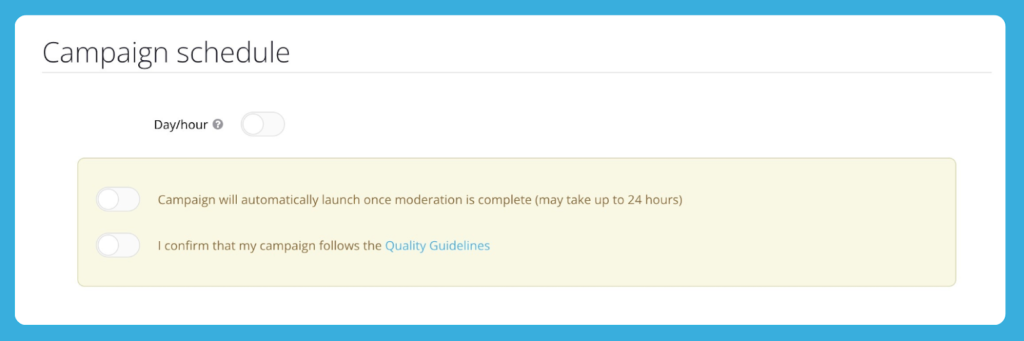
We initially ran the campaign 24/7 to capture traffic across all hours and gather clean baseline data. After the test, we were ready to add day-parting if specific time windows showed consistently stronger performance.
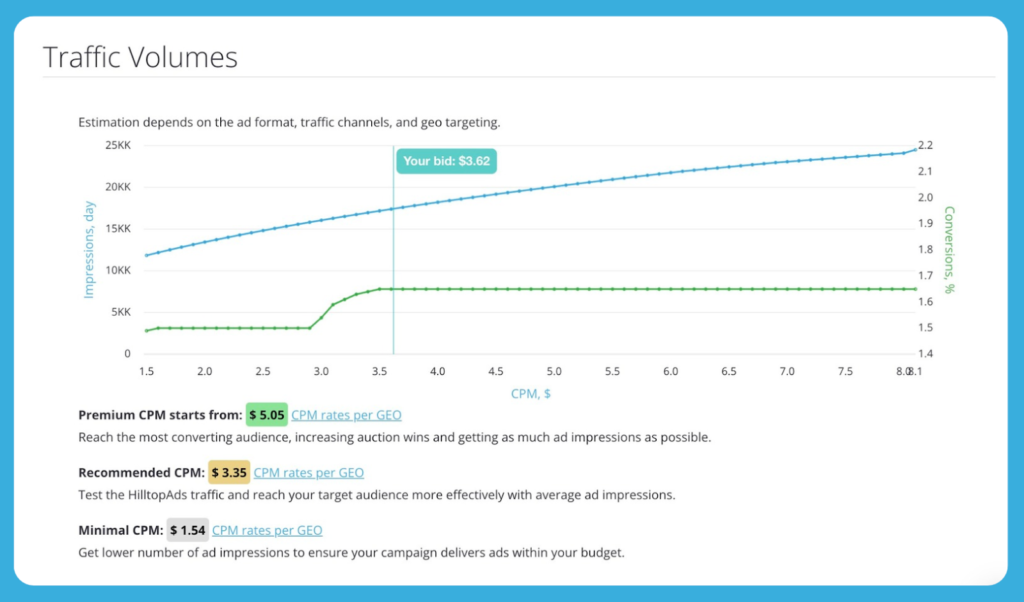
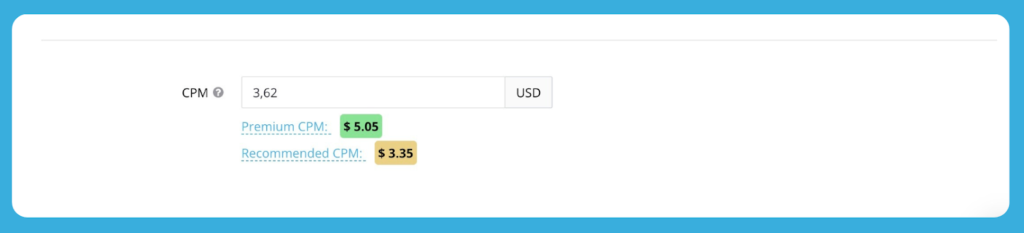
The final step before launching the non-mainstream campaign was to set our bid (CPM). HilltopAds provides a traffic volume tool that shows the minimum, recommended, and premium CPM rates for your targeting – this helps you gauge how much to bid to get sufficient traffic. We chose an aggressive bid of $3.62 CPM for our Tier-1 GEO campaign. This bid was slightly above the recommended baseline, ensuring we could win quality impressions as the volume ramped up.
Pro Tip: When testing a new offer, it’s often wise to start with the recommended CPM. This way you can see initial results and gauge if the offer converts, without overpaying. You can always adjust the bid higher or lower based on performance after the test.
Optimization & Tracking
Right from the start, we focused on keeping traffic quality high by actively filtering placements that weren’t delivering results. We used simple, clear rules to protect spend and keep the campaign profitable:
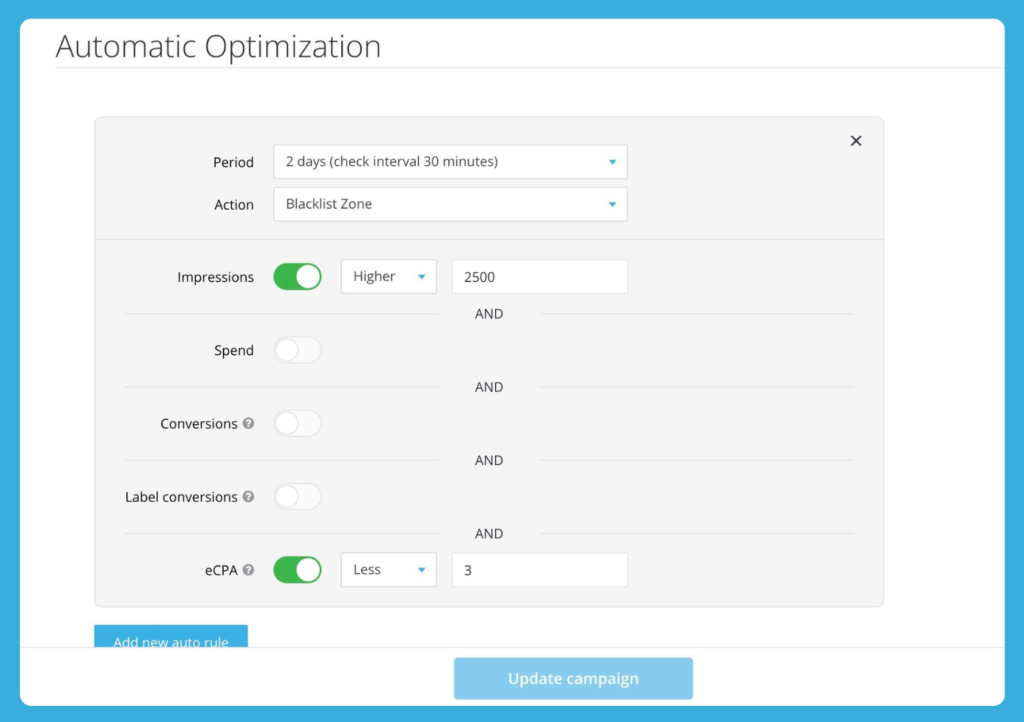
- No-conversion cutoff: if a zone delivered ~2,500 impressions without a single conversion, we paused it. This helped us avoid wasting budget on placements that weren’t converting.
- Efficiency cutoff: if a zone generated conversions but the eCPA rose above $3 (too high relative to the ~$5 payout), we stopped traffic from that source to stay within our target economics.
- Quick loss control: during short test windows, we also moved fast on sources showing ROI below -40%, reallocating budget to placements with real potential.
This steady pruning helped us shape a practical “whitelist” of zones that consistently delivered conversions at an acceptable cost – and pushed more volume into the segments that performed best.
To learn more about the capabilities of automatic optimization with HilltopAds, you can check out the article on the website.
Results
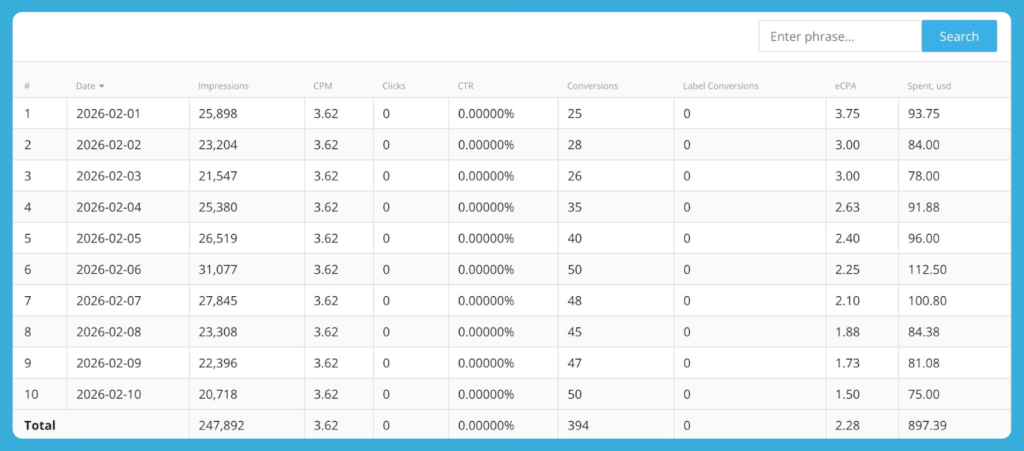
Between February 1 and February 10, we ran a 10-day mobile popunder campaign on HilltopAds targeting non-mainstream traffic in the US, FR, and DE. Focusing on High and Medium activity sources, we optimized daily based on conversion rates and spend efficiency.
By the end of the test, we delivered 247,892 impressions at a $3.62 CPM, spent $897.4 in total, and drove 394 conversions. Our initial goal was to keep the eCPA around ~$3.20, but after tightening the traffic mix and pausing inefficient zones, we pushed the average down to $2.28, comfortably below target.
With a total revenue of $1,970 against a spend of $897.4, the campaign achieved a 120% ROI over those 10 days.
Conclusion
This Valentine’s Day case study shows how HilltopAds leads the way in the non-mainstream niche. By understanding seasonality and user intent, we turned a challenging vertical into a strong profit driver. The idea is simple: meet users at the right moment with the right offer. Around Valentine’s Day, audiences are more active and more ready to convert – and our setup was built to capture that demand.
Targeting France, the US, and Germany helped us scale while aligning with local Valentine’s behaviors, and mobile popunders delivered the volume and instant reach we needed. Combined with HilltopAds’ non-mainstream inventory, precise targeting options, and hands-on optimization, we were able to maximize every dollar spent – and hit over 100% ROI fast.
If there’s one practical takeaway here, it’s this: seasonal campaigns reward preparation. Plan early, start testing before the peak days, use high-impact formats, and prioritize traffic quality. That’s exactly why we recommend using our holiday calendar as a planning tool – so you can align your launches with real demand instead of rushing in late.
If you want to replicate results like this, join the HilltopAds platform and put our traffic to work for you. We have the formats, the reach, and the expertise to help you scale – especially in non-mainstream, where we consistently deliver top performance.