


Popunder Traffic in 2026: learn which verticals still profit from pop traffic, common optimization mistakes, and how to maximize ROI with the right targeting and strategy.
Popunder traffic remains relevant in 2026. Such ads are a practical choice for campaigns focused on low CPM, massive audience exposure, and quick GEO testing. Advertisers tend to use it in CPA offers, gambling campaigns, betting services, VPN solutions, utilities, and even sweepstakes. In all those cases, such a format allows for getting a cheap volume.
Lost budgets are usually the result of advertising setup weaknesses. Many advertisers fail to generate ROI due to weak-quality landing pages, poor GEO selection, high frequency, and a lack of optimization efforts.
What Is Popunder Traffic
Popunder traffic consists of visits that land in new tabs or windows hidden below the active webpage. While popups interrupt the browsing session, popunders continue running until the user discovers the second browser window.
Popunders also mean fewer creative efforts compared to banners. You do not need to develop graphics or push messages. Users land directly on landing pages or registration pages. Such simplicity makes this format attractive, yet challenging: if the load time is too long or the offer is not explained clearly, your chances of conversion may fall sharply.
Read our recent article on how traffic arbitration works in 2026:
Where Popunder Traffic Still Works in 2026
Advertisers still buy popunder traffic because it offers them cheap reach and quick feedback. Media buyers can test new offers, compare GEOs, split device data, and determine which ad placements drain their funds fast, all without sinking too much cash.
Some types of offers tend to convert better than others via popunders:
Gambling and betting
Offers in these verticals can generate impressive results in appropriate GEOs (where legal to operate). To maximize conversion rates, advertisers need to ensure their landing pages sound native: correct language, local currency, and clarity about bonus terms.
VPN and utilities
Usually, it takes little effort to explain these: VPN helps with privacy and access, while utilities clean devices or speed up browsing. These solutions fix one clear issue each. For such offers, a short pre-lander generally works better than a plain product page.
Sweepstakes
This kind of offer is inherently soft for the cold traffic since it requires no purchase decision from a visitor. Users land on a promo page, view prizes, and fill out forms.
Popunder advertising tends to work better than softer formats for volume goals. They can be great at the testing stage too, when advertisers aren’t sure about which GEO, device, or angle needs more funds.
That said, popunders are less suitable for complicated sales funnels or advanced storytelling. User intent in the popunder campaign is usually low. Therefore, straightforward explanations and direct calls to conversion are needed.
| Format | Best for | Main Advantage | Main Weakness |
| Popunder traffic | Fast CPA tests, gambling, betting, VPN, utilities, sweepstakes | Low CPM, large volume, quick GEO and device testing | Cold users with low initial intent |
| In-page push | Softer user contact and simple reminder-style offers | Cleaner experience than classic pop formats | Lower volume in some GEOs |
| Native traffic | Advertorials and offers that need explanation | More space to build trust | Slower setup and more creative work |
| Search traffic | Offers with existing demand | Users already look for a solution | Higher cost and stronger competition |

Elm
Business Development Manager HilltopAds
One common misconception about popunder traffic is expecting it to behave like search or social traffic, where users already have intent. Popunder traffic is cold and high-volume, and results depend far more on the funnel than on the traffic itself. Prelanders, page speed, GEO targeting, frequency settings, payout economics, and source-level optimization all have a direct impact on performance. Many advertisers obsess over CPM, but what really matters is the effective cost of conversion after optimization.
Check out our article on why ad networks remain relevant in 2026:
Most advertisers use ad networks for testing campaigns across multiple devices. Each provider has strengths and weaknesses depending on your goals, traffic types, verticals, and budget.
| Traffic Source | Main Strength | Best For |
| HilltopAds | Popunder traffic with targeting, optimization tools, and account support | Advertisers who want to test and scale popunder campaigns with more control |
| RichAds | Self-serve setup and performance-focused traffic tools | Buyers testing push and pop traffic in parallel |
| Clickadu | Large pop and adult traffic inventory | Offers that can work with mainstream or adult placements |
| Zeropark | Redirect and pop-style traffic with detailed campaign controls | Experienced buyers who need granular source testing |
| PropellerAds | Broad ad format mix, including popunder ads and push formats | Advertisers comparing several traffic formats in one ecosystem |

Register with HilltopAds and get:
- Advanced targeting options
- Direct traffic sources
- Self-serve platform
- Fully-managed service
- Postback tracking
Why Most Advertisers fail with Popunder Traffic
It happens frequently that advertisers assume popunder ads are worthless right after the first failed attempt. In reality, most campaigns simply lack proper setup.
The first issue is user intent. Popunder users aren’t searching for the offer, so the landing page has to quickly show its value. If the page is slow or the bonus unclear, visitors leave right away.
Another problem is that of targeting. Some buyers go for cheap CPM rates but don’t consider language, payout, device habits, or local behavior. Others only focus on expensive Tier 1 markets and wrap up their tests before they collect enough data.
Elm
Business Development Manager HilltopAds
A surprisingly common mistake is launching a single campaign across broad GEOs, skipping segmentation, running without a pre-lander or postback tracking, and expecting positive ROI from day one. That approach could sometimes work years ago when traffic was cheaper and competition was lower. Today, successful campaigns require much tighter optimization. Advertisers need to segment by device, OS, browser, language, and traffic source. They should also test multiple funnel variations and collect enough data to cut placements that can’t hit the target eCPA.
High frequency can hurt, too. Over-showing the same ad creates fatigue instead of building intent.
| Problem | Why It Happens | How To Fix It |
| Low conversions | Weak page or no pre-lander | Speed up the page, test a pre-lander, use one clear CTA |
| Poor traffic quality | Bad zones keep spending | Track postbacks, blacklist weak sources, build whitelists |
| No ROI | Test ends before useful data appears | Set a test budget and judge by eCPA, GEO, device, and source |
| Fast budget spend | Targeting is too wide | Split campaigns, set daily limits, use frequency caps |
Nonetheless, advertisers should note that pop traffic doesn’t work for every offer. Brands with strict UX rules, premium B2B audiences, long SaaS sales cycles, or high-trust products often need a gentler approach than aggressive ads. While this format might bring cheap visits, ads can mess up user experience and hurt lead quality, too.
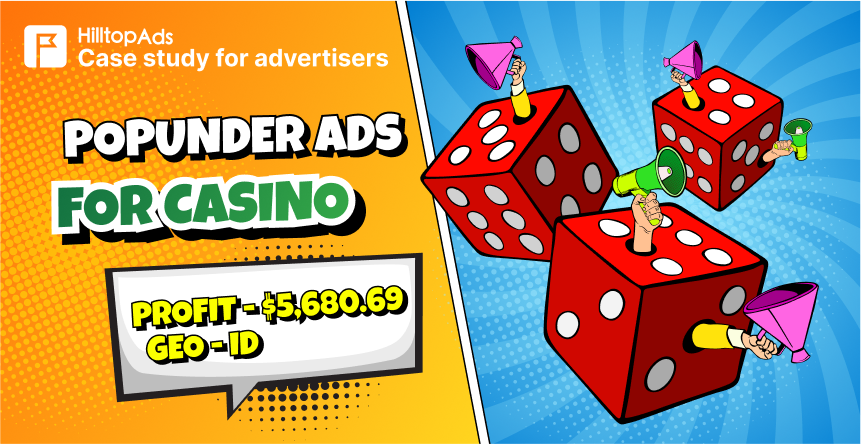
Take a look at the success stories of our advertisers who ran profitable popunder campaigns:
How to Optimize Popunder Campaigns
Remember that popunder campaigns require constant adjustment and monitoring. This format rarely offers you enough flexibility to throw in anything and expect good results. Steps to optimize your campaigns:
Set frequency caps
Do not overwhelm the same visitor multiple times within one day
Test pre-landers
Although direct links sometimes work well enough, cold popunder traffic prefers explanations beforehand
Monitor loading speeds
Before deployment, make sure all landing pages work correctly in both browsers and mobile versions;
Use whitelists and blacklists
Based on data, exclude poor-performing sources from campaigns and keep efficient ones
Split devices
Different devices mean different behaviors, and splitting them can improve results
Avoid early panic
Allow your tests to accumulate data and then change parameters gradually
Elm
Business Development Manager HilltopAds
Advertisers who get strong ROI from popunder traffic treat it as a testing environment rather than a source of instant results. They prepare multiple pre-landers and landing pages, know their offer economics, allocate realistic test budgets, track conversions through postbacks across multiple events, analyze traffic sources at a granular level, and build whitelists and blacklists. By contrast, advertisers who lose money often launch without proper tracking, stop tests too early, draw conclusions from insufficient data, or chase the cheapest traffic available. Over the long term, the winners are those who make decisions based on data and optimization, not assumptions.
Conclusion
Popunder campaigns do not involve long-term sales processes and complex audience research. Instead, advertisers focus on rapid discovery of optimal placements before spending millions on ineffective verticals and GEOs.
For successful campaigns, you need a suitable vertical, fast landing pages, correct targeting, and continuous optimization. Most losses happen when this groundwork is skipped. With HilltopAds, advertisers can run popunder campaigns, using tools to track performance to drop poor ads and amp up what succeeds.